
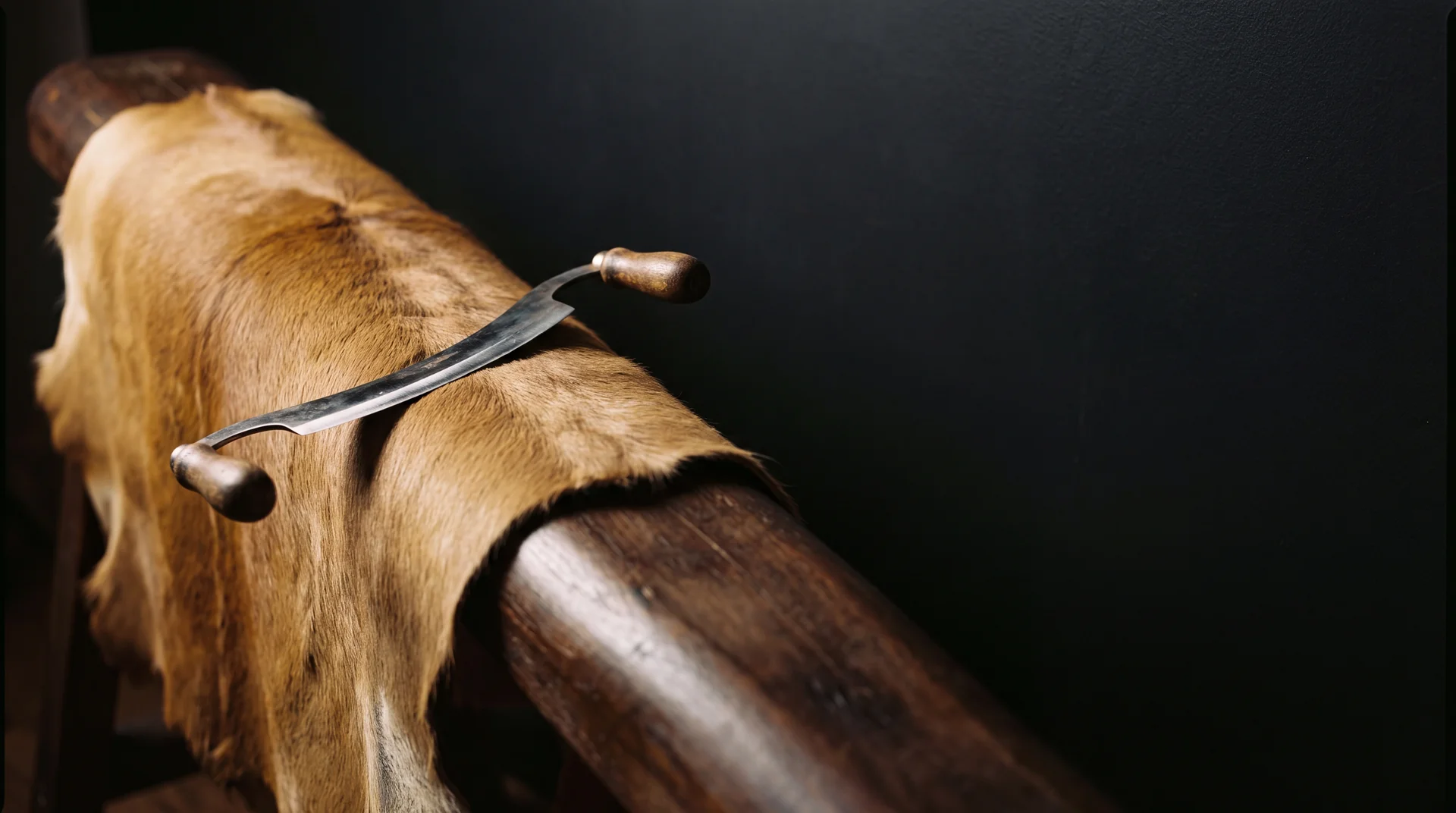
Every exceptional mount begins long before the form is shaped or the glass eye is set. It begins in the tannery.
Many hunters never see this stage of the process, yet it determines how well a trophy will endure. Tanning is the step that stops bacterial decay for good — everything before it only pauses the clock. The quality of that work preserves the hide, protects its natural character, and creates the foundation for a mount that can be enjoyed for generations.
At Highveld Taxidermists, every trophy we mount — and every hide a client entrusts to us for tanning before it ships home — is preserved in our own in-house tannery, metres from our studio floor, with the same attention to detail that has defined our craftsmanship since 1981.
Tanning permanently stabilises a hide so it can last a lifetime. Every hide passes through the same five stages:
Like the foundation of a home, the quality of the tanning determines what can be achieved afterwards. A professionally tanned hide retains its detail, colour, and structure for decades — and tanning is the only stage of the journey that ends the bacterial threat for good.
Hair slip occurs when bacteria reach the skin, causing hair to loosen and fall from the hide, often in patches. Once it starts, it cannot be repaired — only cut around.
The risk is seeded in the field: in the African warmth, skinning and first salting need to happen within hours of the animal being taken — our guide to trophy field care in the first 24 hours covers what to ask your PH and how to keep a cape safe before it reaches us. From that point a salted, dipped hide is dormant, not preserved. Any time a raw hide takes on moisture — in a sea crate, in a humid garage, in a months-long tannery queue — the paused bacteria wake up, and slip follows within days.
Tanning is what ends that risk permanently. Until a hide is tanned, the clock is still running. For the honest timelines every hunter should know before shipping raw, read our guide What is Dip and Pack — Are My Trophies Safe?
Once your trophy has been professionally preserved and mounted, the right environment at home matters too. Our guide on How to Maintain Taxidermy at Home covers how proper humidity, temperature, and placement help preserve your trophy for decades.
Keeping the tanning process in-house allows us to stop the bacterial clock sooner — and to maintain complete oversight from raw hide to finished mount.
Your trophy remains under the care of one experienced team throughout its entire journey. Nothing is outsourced, and nothing waits in someone else’s queue.
Hides entering our tannery are typically tanned within six to twelve weeks of arrival — while raw hides shipped abroad commonly wait six to twelve months for a slot at an American tannery. The sooner a hide is tanned, the sooner it is truly safe.
The same craftsmen responsible for your finished mount understand every stage of the process, ensuring the quality of the tanning supports the quality of the final piece.
You do not need to mount with us to benefit from our tannery. Many of our American clients have their hides tanned in South Africa before shipping — so every hide leaves the country already preserved, the bacterial clock stopped before the crate is sealed, and the American tannery queue becomes irrelevant. Your taxidermist at home still does the mounting, working with a hide that arrived safe. Our timeline from hunt to wall shows how much sooner that puts the skins on your taxidermist’s bench.
While tanning is essential for preserving the hide and preventing decomposition, it does not make a mount permanently immune to insects.
Even professionally tanned trophies can become vulnerable if environmental conditions allow pests to thrive. Regular inspections, proper cleaning, and suitable environmental conditions remain essential for long-term preservation.
To learn more, read our guide on How to Protect Taxidermy from Damage and Pests, where we share practical advice for protecting your collection from insects and environmental risks.
For more than four decades, the Ochsenbein family has built a reputation on a simple belief: every trophy deserves to be treated with the same care and respect we would give our own.
Our in-house tannery reflects that commitment. Our tanning recipes were developed by the chief tanning technologists at BASF and Stahl, and we make use of only the highest quality tanning chemicals available from these companies. As new products are released to the market, our recipes are upgraded in step. Every hide is shaved by hand — the slow, skilled work that lets a hide take fine detail and hold it — so every hide receives the strongest possible foundation before the mounting process begins.
It is careful work that often goes unseen, yet it is one of the most important reasons a Highveld mount continues to look the way it should long after the hunt is over.
A trophy represents far more than the animal itself. It preserves the memory of the hunt, the places explored, and the moments shared. Our role is to ensure those memories endure for generations.
Hair slip is hair loosening and falling from a hide because bacteria reached the skin. The risk begins in the field within hours of the hunt and returns whenever a raw hide takes on moisture. It cannot be reversed — only prevented. Prompt field care keeps a hide safe in the short term; tanning removes the risk permanently.
Tanning preserves the hide and prevents decomposition, but it does not make a mount permanently immune to insects. Routine inspections and proper environmental conditions remain essential for long-term protection.
Keeping tanning in-house means preservation happens sooner — weeks instead of the months a hide can wait in an external tannery queue — and one experienced team oversees every stage, from hide preparation through to the finished mount.
Hides are rehydrated and cleaned, fleshed to remove excess fats and tissue, pickled in an acid solution, shaved by hand to an even thickness, and then tanned and oiled to permanently stabilise the skin before mounting begins.
Yes. Many clients have their hides tanned in our in-house tannery — typically within six to twelve weeks — and shipped fully tanned to their own taxidermist for mounting. The hide arrives preserved, with the bacterial clock already stopped.
Every trophy carries a story that deserves to be preserved with care, precision, and respect.
Whether you are planning your next African safari, weighing dip and pack against tanning before export, or already have a trophy ready for preservation, Highveld Taxidermists will guide the process from hide preparation to finished mount with the same craftsmanship and attention to detail that has defined our family since 1981.
With our in-house tannery, generations of expertise, and commitment to exceptional quality, your trophy remains in trusted hands from beginning to end.
Speak to the Highveld Taxidermists team today and begin preserving your hunting memories for generations to come.