
The quality of your mount is decided long before it reaches our studio. Good trophy field care in the hours immediately after a harvest does more to protect your investment than anything a taxidermist can do afterwards.
We say this openly because it is true: no amount of skill at our studio can recover a cape that was lost in the field. The good news is that protecting your trophy is not complicated. It comes down to speed, cleanliness, and a few decisions made in the right order.
Bacteria begin working on a hide the moment an animal is down, and Africa's heat accelerates everything. Within roughly 24 hours, that bacterial activity can reach the point where hair begins releasing from the skin.
This is the window that determines whether your trophy arrives in excellent condition or is compromised beyond repair. Everything below is aimed at shortening that window and keeping bacteria from gaining a foothold.
Hair slip is hair loss caused by bacteria reaching the base of the hair follicles, and it is the most common cause of ruined capes. It often appears in patches, and by the time it is visible, the damage is already done. Areas most susceptible are the ears, around the eyes, and any area that had a lot of blood on it — for instance, the entry and exit wound.
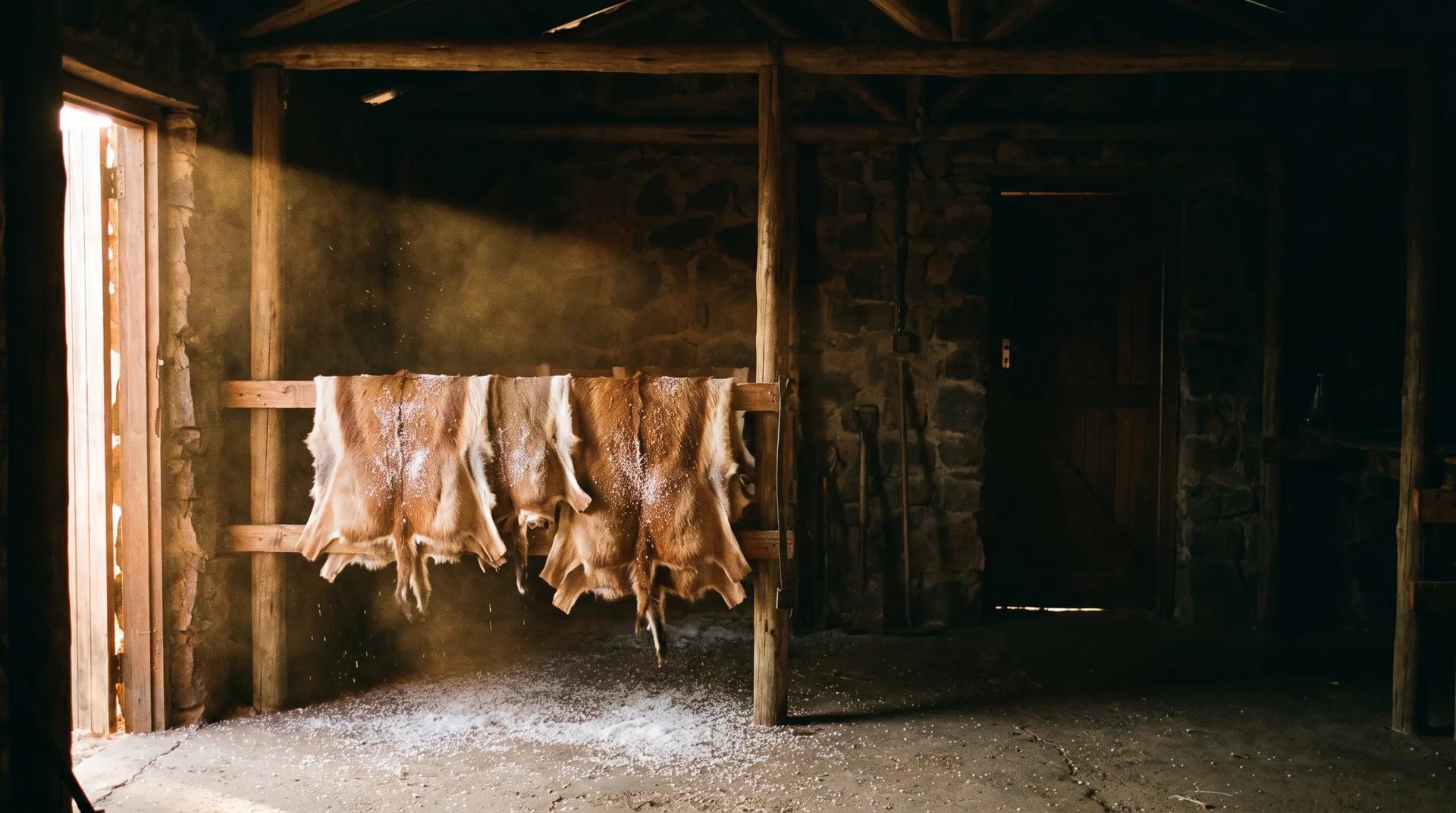
Prevention is straightforward: get the hide cool, get it clean, and get it salted quickly. The salt helps extract moisture very quickly from the skin, accelerating the drying process. Prompt professional tanning then protects the skin, which is why our in-house tannery begins work as soon as a hide reaches us.
The most valuable field care step happens before you ever pull the trigger. Tell your professional hunter exactly what type of taxidermy mount you have in mind.
A shoulder mount, a pedestal mount, and a full mount each require different amounts of cape, and a skinner cutting for one cannot undo the cut for another. Say clearly: “I plan to do a shoulder mount on this animal, please cape it long.” A short cape cannot be lengthened. It is the single most common and most avoidable problem we see.
Once the animal is down, the priorities are simple.
Take clear photographs of your animal in the field from several angles, including the head, the eyes, and the body in natural posture.
These images are genuinely useful to us. They inform how we recreate colouring, wrinkles and the unique characteristics of the trophy, so the finished mount reflects the animal as it actually was rather than a generic reference. If you have a specific pose in mind, photographs are the best way to communicate it.
Most reputable outfitters and PHs in South Africa handle field care well, and many have skinning sheds run by highly experienced staff. Still, your trophy is your responsibility to advocate for.
Ask how capes are stored. Ask how soon they are salted. Ask when they will be dispatched to the taxidermist. These are reasonable questions, and any good operation will answer them gladly. Being politely involved is not being difficult — it is protecting a memory you cannot recreate.
Generally within 24 hours, and considerably less in hot and humid conditions. Cooling and cleaning the cape promptly is the most effective way to extend that window.
More than most hunters expect. Ask your PH to cape well behind the shoulder, as excess hide can be trimmed but a short cape cannot be extended. A general rule of thumb is halfway between the front and back legs. That way you have enough hide for a pedestal mount as well.
Generally salting is done back at the skinning shed, as you want to get the animal into the shade as quickly as possible. Unless you are on a mountain top and it would take hours to get back, do not start the skinning process in the field.
Avoid it wherever possible. Dragging wears hair away from the shoulders and neck, the areas most visible on a finished shoulder mount. Rather roll the trophy onto a tarp or conveyor belt and drag that.
Field care is the beginning of a chain of custody that ends on your wall. Every careful decision in those first hours gives us more to work with and gives your trophy a longer life. What happens next — how the hide is preserved and how it travels — matters just as much, and our guide to dip and pack covers the honest timelines every hunter should know before shipping.
For over 40 years, Highveld has treated every hide that reaches us with the reverence it deserves. Start it well in the field, and we will carry it the rest of the way. Start your project with Highveld Taxidermists.